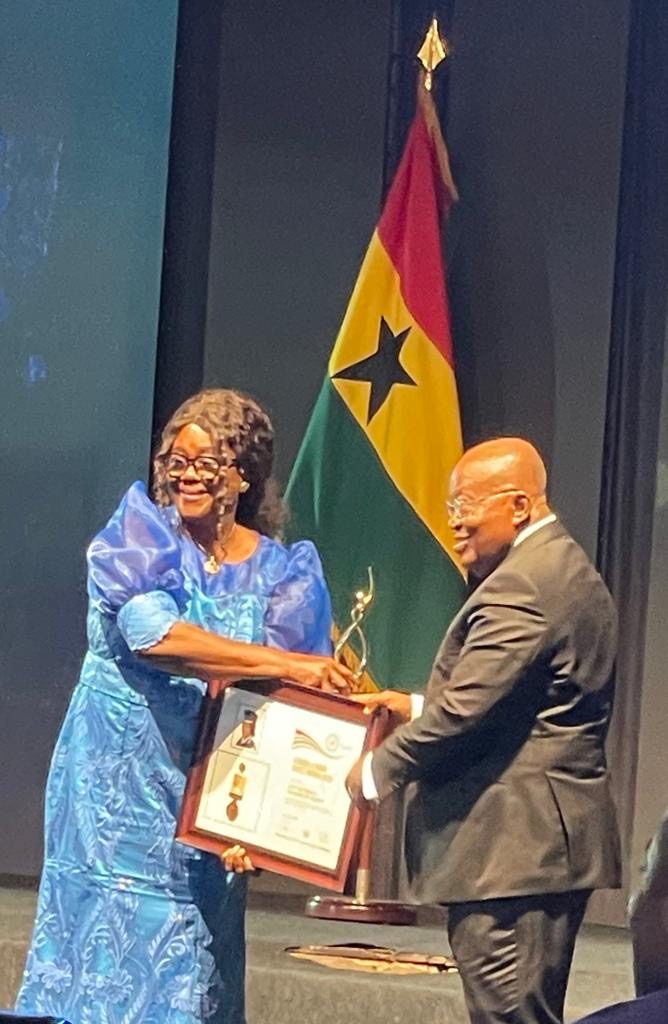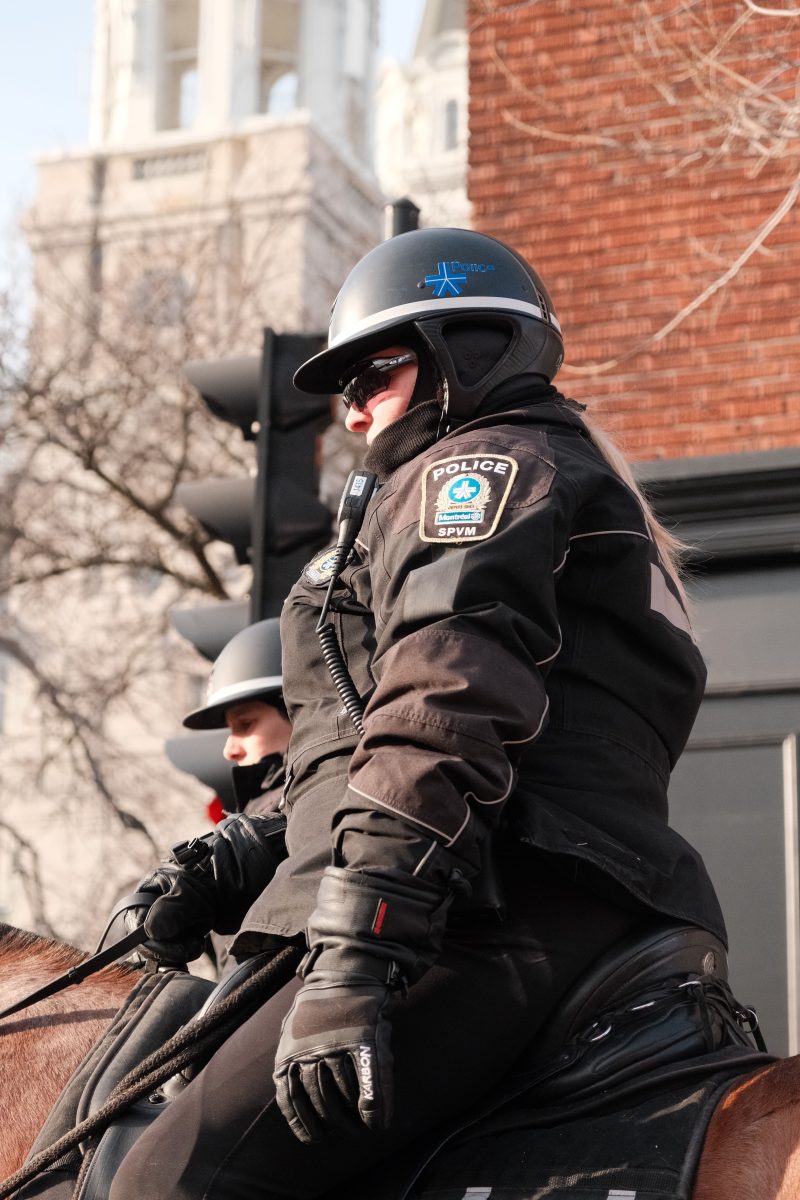
In 1977, when I was called to serve in the Ghana Police Service, the path for women in law enforcement was narrow, and the expectations placed on us were quietly different — and quietly lower — than those placed on our male colleagues. Every promotion, every leadership post, every seat at a policy table had to be earned twice over: once on merit, and once more simply to be taken seriously in the room. What nearly five decades since has taught me is that the very qualities once dismissed as 'soft' turned out to be exactly what modern policing needed most, particularly in cases involving trafficking, domestic violence, and children.
Why Representation Actually Changes Outcomes
This is not sentiment — it is operational fact. A trafficked girl, a survivor of domestic abuse, a frightened child witness will often disclose far more, and disclose it more accurately, to a woman trained in trauma-informed interviewing than to an unfamiliar male officer, however competent. Across operations such as Operation Akoma II and the rescue of dozens of Nigerian women in Ashaiman, having women present in leadership and on the ground was not a nice-to-have. It was the difference between a victim speaking and a victim staying silent.
Building the Next Generation, Deliberately
As Deputy Commandant and Directing Staff at the Ghana Police Academy, and later as an instructor at the Detective Training School, I made it a personal mission to mentor young female officers — not simply to help them survive within the institution, but to help them lead it. That mission has only grown since. As 2nd Vice President of the International Association of Women Police, and having previously served as IAWP Coordinator for Region 18 (Africa) and as International Chaplain of IAWP, I now carry that same conviction onto a global stage, working alongside women police leaders across dozens of countries who are fighting the very same uphill battle I once fought alone.
What Institutions Still Get Wrong
Too many organisations treat women's representation as a diversity target to be quietly satisfied rather than an operational necessity to be actively built. I have sat across the table from institutions genuinely committed to protecting women and children who had not yet asked themselves a harder question: who, specifically, within their own ranks, is positioned and empowered to lead that protection? Representation without real authority changes very little.
If there is one thing I would ask any police service, NGO, or institution reading this to do, it is this: identify the women already doing the work quietly within your ranks, and build the pipeline that puts them in front, deliberately, rather than waiting for it to happen on its own. It rarely does on its own. I know, because I lived through exactly how long 'on its own' can take.