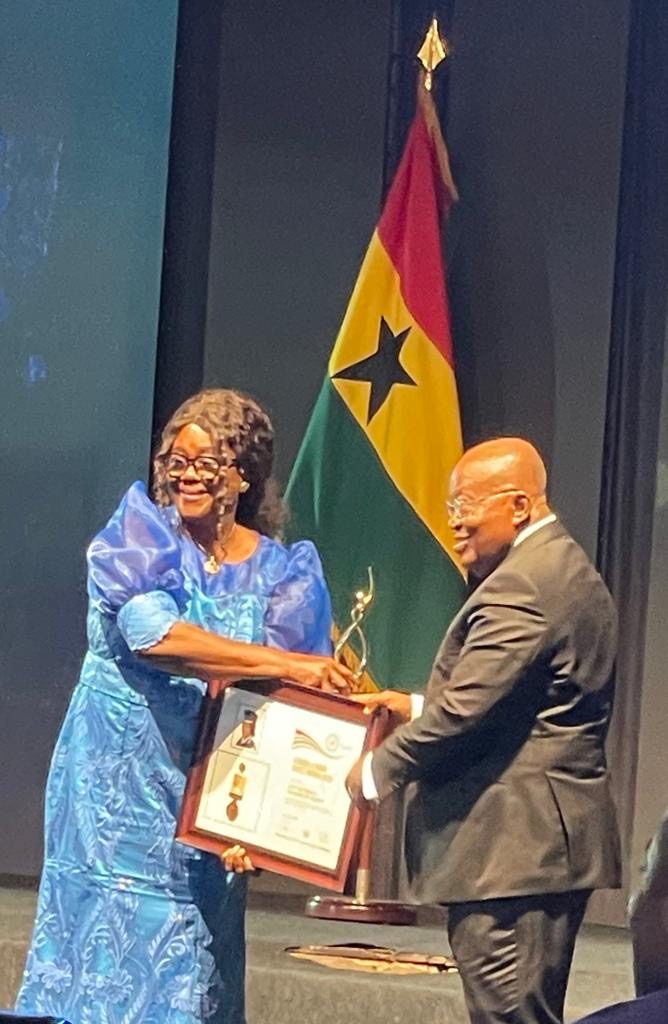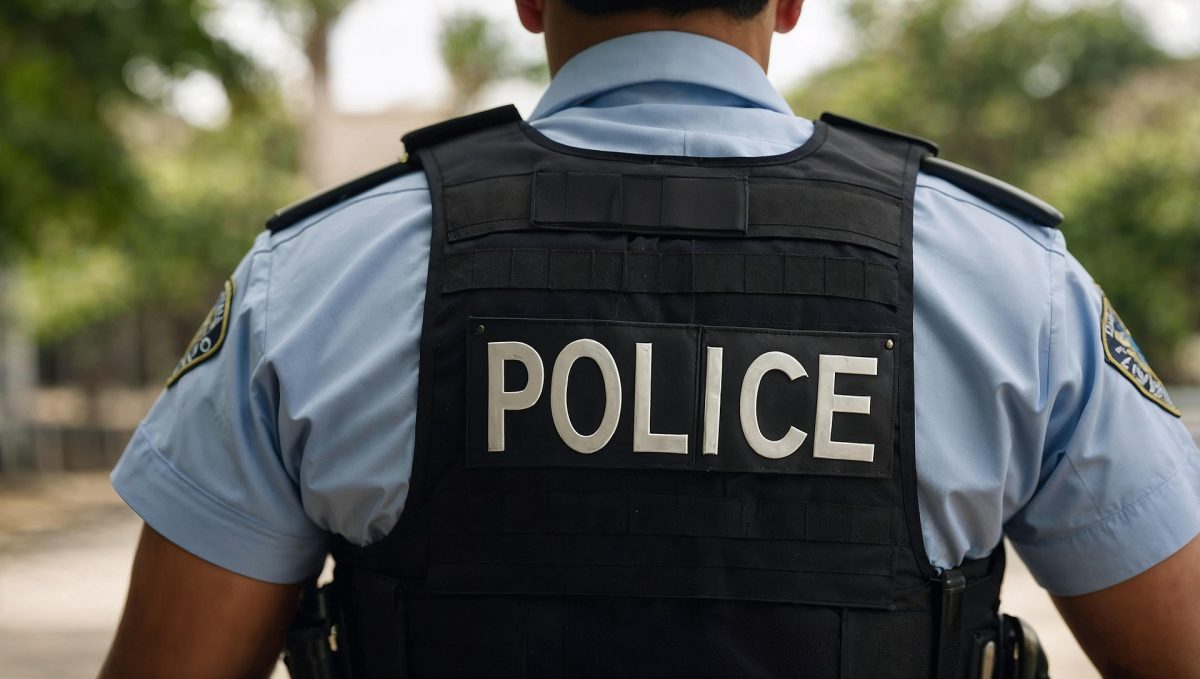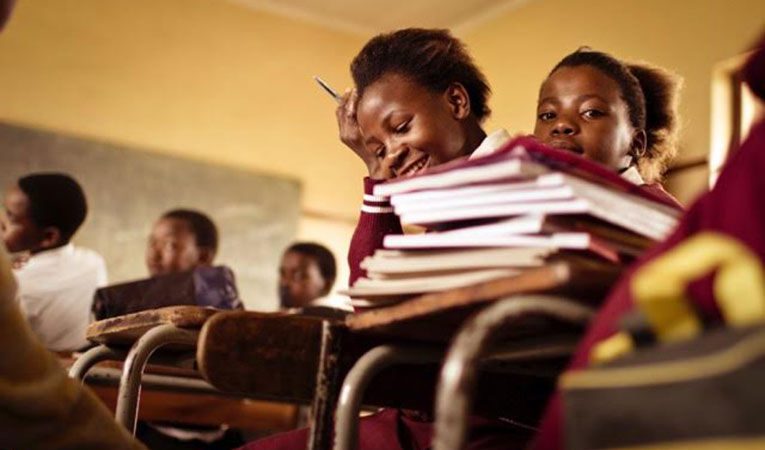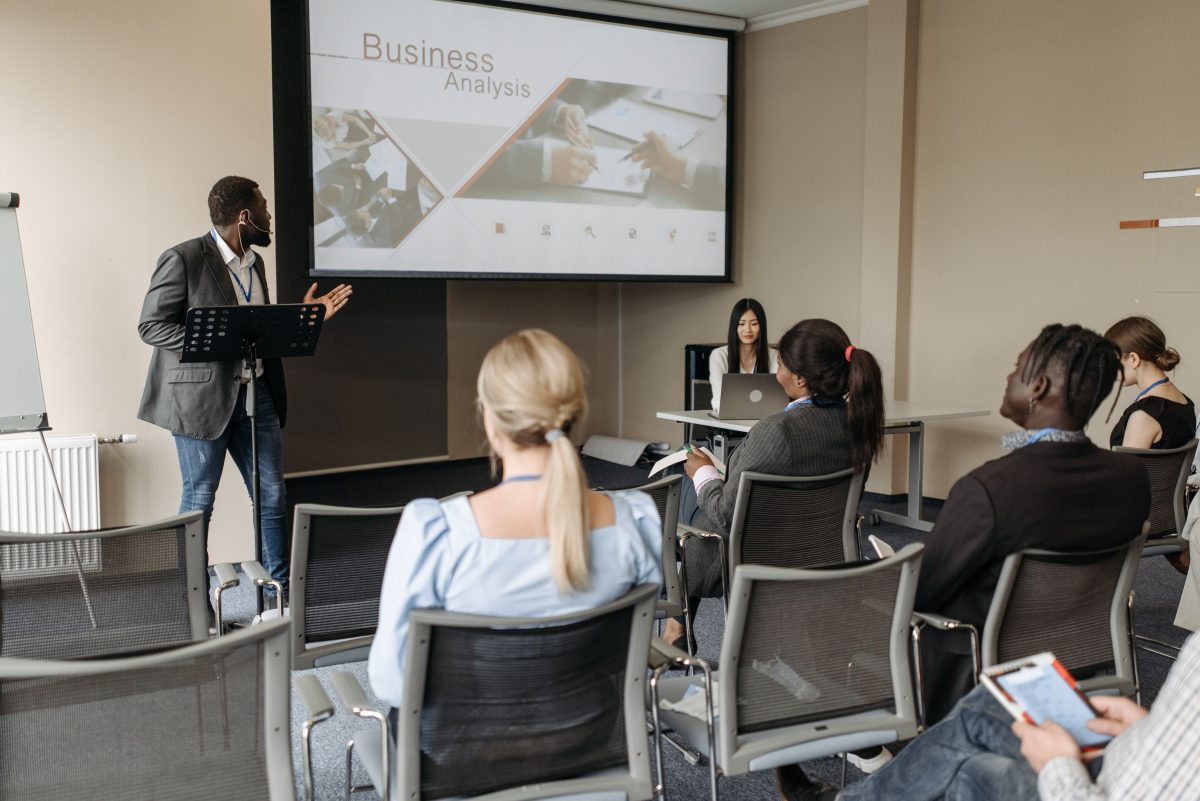
People are often surprised to learn how much of my career was spent not in the field, but in a classroom — as Deputy Commandant and Directing Staff at the Ghana Police Academy, as an instructor at the Detective Training School, as a resource person at conferences and workshops across Ghana and internationally. It is not the part of the work that makes headlines. I would argue it is the part that has saved the most lives, simply by multiplication.
The Math of Training
A single rescue operation, however well executed, helps the specific people involved in it. A properly trained officer carries that competence into every case they handle for the rest of their career — and, if they go on to train others themselves, into every case those officers handle too. When I served as Director of the Anti-Human Trafficking Unit and opened nine additional regional units across almost every region of Ghana within six years, the vehicles and equipment mattered, certainly. But what mattered just as much was making sure the officers staffing those units actually knew how to run a trauma-informed interview, how to coordinate safely with INTERPOL, how to build a case that would hold up once it reached prosecution. Equipment without training is just expensive furniture.
What Good Training Actually Requires
- Real scenarios, not theory alone. Officers I have trained on subjects like surveillance, community policing, and client care learn fastest when the material is grounded in situations that genuinely occurred, not hypothetical case studies.
- Repetition across a career, not a single workshop. One seminar changes very little on its own. Sustained training — the kind woven into an institution's culture over years — is what actually changes outcomes.
- Training the specific skills victims need most — trauma-informed interviewing, cultural sensitivity, patience — alongside the investigative skills that get most of the attention.
- Measuring whether it worked. Too much institutional training is delivered and never actually evaluated against real outcomes afterward.
Why I Still Prioritise This Work Today
Every award, every rescue, every piece of legislation I contributed to shaping matters enormously to me. But if I am honest about where my time is best spent today, through ASHQUAY. Consultancy, it is here — in designing and facilitating training for law enforcement, NGOs, and institutions, because a well-designed training program keeps working long after I have left the room. That is not a lesser form of impact than a rescue operation. In my experience, over nearly five decades, it may well be the greater one.