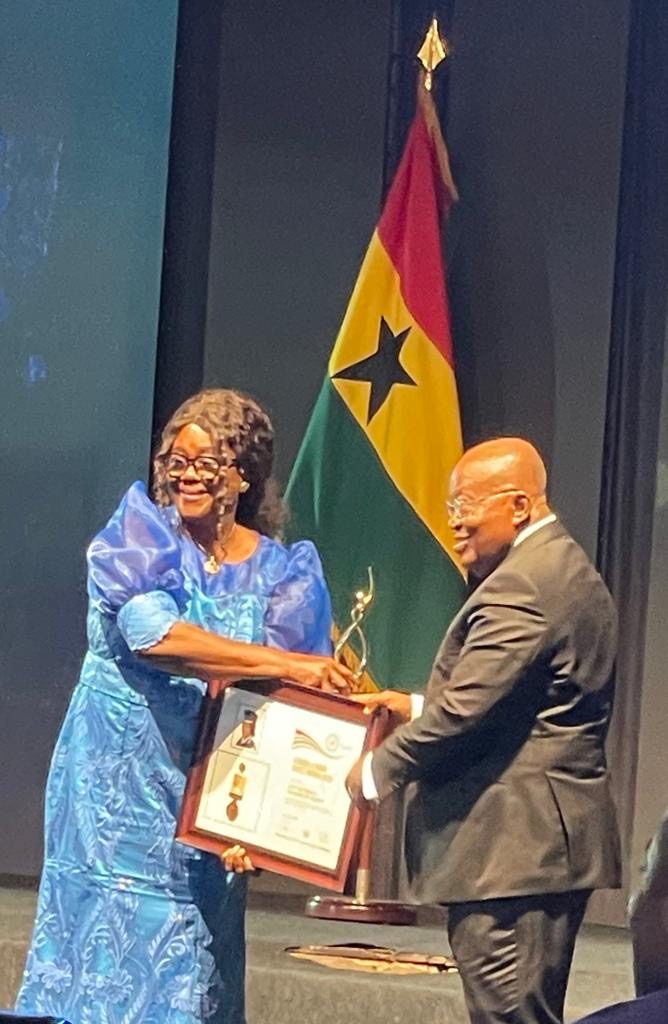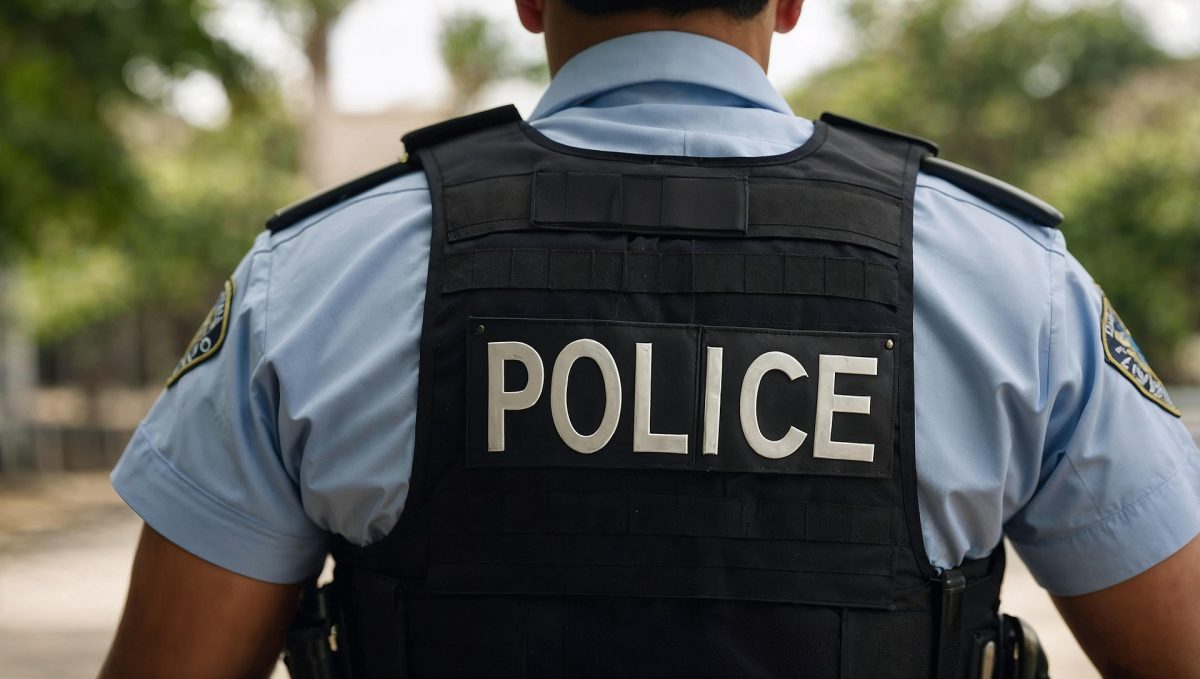
When I was called into the Ghana Police Service in 1977, I did not yet know what kind of officer I would become. I certainly did not know that rescuing a single trafficked child, early in my career, would set the direction of everything that followed. That one rescue did something to me that no training manual could have — it turned an assignment into a calling, and it has never let go of me since.
What Working Across So Many Institutions Actually Teaches You
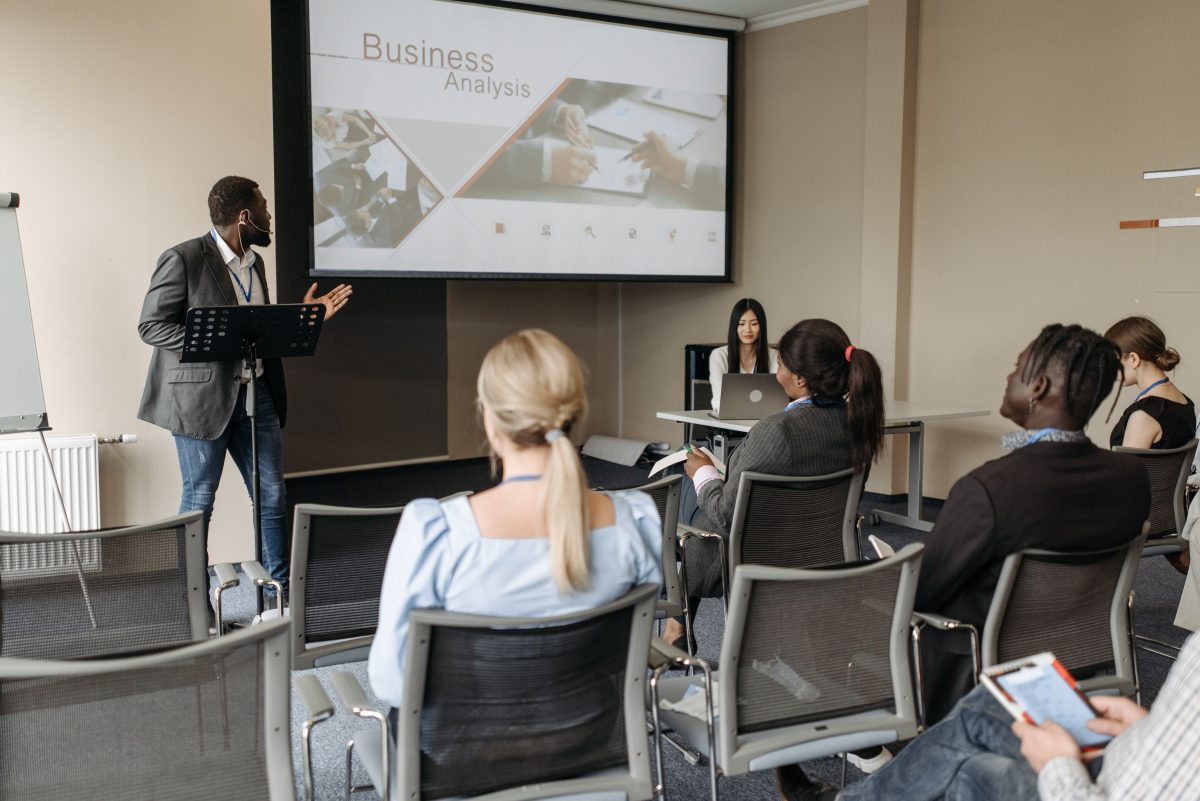
Over the years, my work carried me through INTERPOL Accra, where I spearheaded initiatives on women and children's issues; through the Anti-Human Trafficking Unit, where I served as Director and opened nine additional regional units within six years, equipping each with vehicles, computers, and the basic resources they needed to actually function; through the Ghana Police Academy, where I served as Deputy Commandant and lectured on human trafficking, client care, community policing, surveillance, and espionage; through the Detective Training School as an instructor; and through the Bureau of National Investigations, across several of its departments.
Each institution taught me something different, but one lesson repeated everywhere: justice is not a single dramatic act. It is built, patiently, out of thousands of unglamorous decisions — the extra resource requested for a new regional unit, the additional hour spent training a young officer properly, the follow-up call made to check that a rescued victim actually made it back to school. The public sees the rescue. They rarely see the eighteen months of quiet institution-building that made that rescue possible.
On Staying the Course
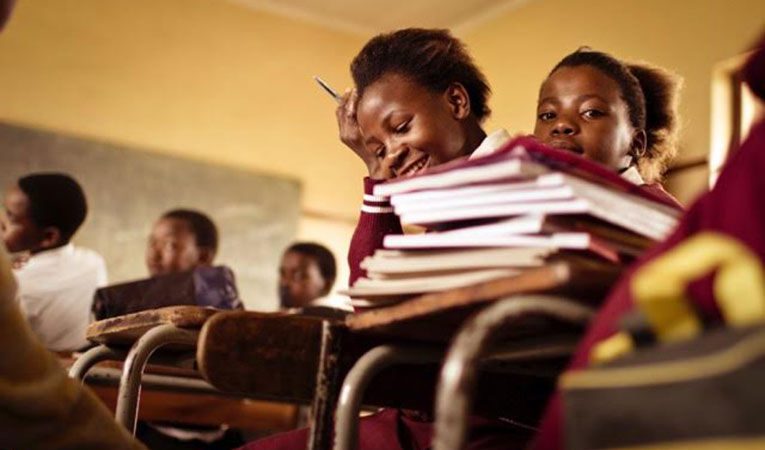
There is no shortage of moments in this career that could have pushed me toward something safer, something less exhausting. Undercover work carries real risk. Cross-border operations carry real uncertainty. Watching a case fail, or a trafficker walk free on a technicality, carries a particular kind of frustration that does not fully leave you. What kept me going, across nearly fifty years, was never abstract idealism — it was specific faces. The Nigerian girls recovered from Ashaiman. The boy reunited with his family after being trafficked into Ghana in 2010. The 43 girls rescued in 2012. You carry those faces with you, and they become the reason the next case matters just as much as the first one did.
What I Would Tell a Young Officer Today
Build relationships before you need them — with INTERPOL counterparts, with NGO partners, with the community leaders who will tell you things no official report ever will. Train relentlessly, because the work changes constantly and complacency is where victims fall through the cracks. And never let the scale of the problem convince you that one case, or one rescued life, does not matter. It always does. That belief, more than any single operation, is what nearly five decades in this profession has left me with — and it is exactly what I now try to pass on through every training session, every consultancy engagement, and every young officer I still have the privilege of mentoring.