Early in my time with the Anti-Human Trafficking Unit, I learned something that has shaped every operation I have led since: a rescue that ends the moment a victim is physically removed from exploitation is an unfinished rescue. Pulling someone out of harm's way is the first sentence of a much longer story — one that depends on trauma-informed care, safe reintegration, and, wherever possible, a real return to education and opportunity.
What 'Victim-Centered' Actually Means in Practice
It is a phrase people use often and understand loosely. In the field, it means something very specific: the survivor's safety, dignity, and voice sit at the center of every single decision made about their case — not the convenience of the investigation, not the pressure of media attention, not even the enthusiasm of well-meaning donors who want a photograph. In practice, that looks like:
- Protecting privacy first. Especially with children, identity must be shielded from public exposure, no matter how compelling the story might seem to outsiders.
- Trauma-informed interviewing. Personnel trained to avoid making a survivor repeat their trauma over and over to different officials who each want their own version of the story.
- Family tracing and safe reunification — something I have seen done right, from reuniting a Burkinabé boy trafficked into Ghana with his family in 2010, to bringing home a Ghanaian boy who had been trafficked to Nigeria.
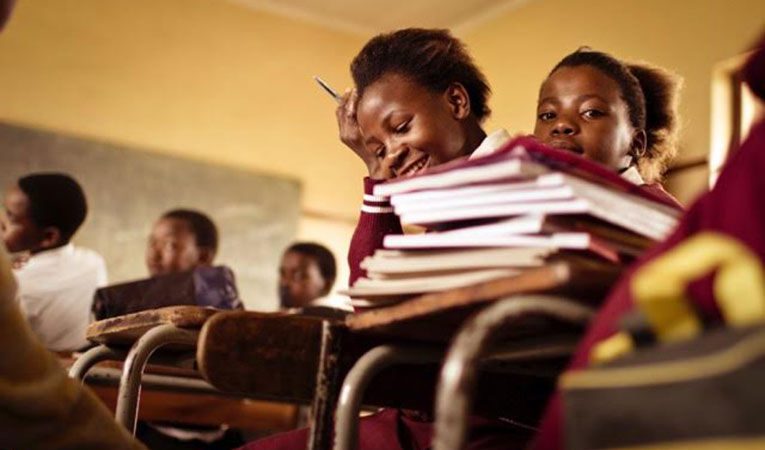
- Continued education, which is the entire reason the Giving Hope Foundation exists — because a rescued child who cannot go back to school is still, in a very real sense, still vulnerable.
- Long-term psychosocial support that continues well after the case file has been closed and everyone else has moved on to the next crisis.
Why This Is a National Priority, Not Just a Compassionate One
Ghana's National Plan of Action to Combat Human Trafficking (2017) and the National Plan of Action for the Elimination of the Worst Forms of Child Labour (2018) — both of which I helped develop as a committee member — treat rehabilitation infrastructure as a non-negotiable, not an afterthought. There is a hard operational reason for that: without proper aftercare, rescued victims face a genuinely elevated risk of being trafficked again, simply because whatever vulnerability made them a target the first time was never actually addressed.
What Organisations Consistently Get Wrong
I have seen well-funded, well-intentioned rescue operations fail the people they saved because rehabilitation was treated as someone else's problem to solve later. It cannot be an afterthought bolted on once a victim has already been recovered. It has to be built into the program design from day one — the safe house arranged before the rescue, the counsellor identified before the interview, the school placement discussed before the reunion with family. This is one of the areas where I now spend a great deal of my consultancy time with NGOs and government partners: not the dramatic part of the work, but the part that actually determines whether a rescue holds.