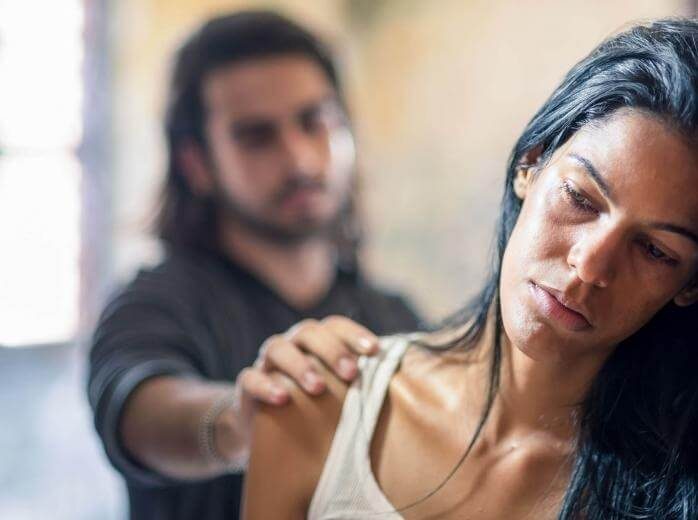
Across decades investigating domestic violence and sexual abuse alongside human trafficking, one thing has remained constant: domestic violence does not respect income, education, religion, or social status. It hides just as easily behind a respectable household as behind a struggling one — and in both, it goes badly underreported for remarkably similar reasons.
Recognising the Signs
Domestic violence is rarely only physical, and when I train officers and community groups, that is the point I return to most often: controlling behaviour around a partner's finances or movement, isolation from family and friends, constant belittlement, threats made against children or loved ones — and yes, physical harm, but frequently as the last visible sign rather than the first. Victims frequently minimize or hide what is happening, out of fear, shame, or genuine economic dependence on the person harming them.
If Someone Confides In You
- Believe them. Disclosure is rare and difficult; doubt closes a door that may not open again for a long time.
- Do not pressure immediate action. Leaving is often the single most dangerous moment in an abusive relationship — a safety plan matters more than urgency.
- Connect them to real resources — local police, domestic violence support units, or trusted NGOs — while letting them keep control over the next step wherever it is safely possible.
- Keep it confidential, unless there is immediate danger to life, particularly where a child is involved.
Reporting It Safely
Ghana's legal and institutional framework — including the work of the Human Trafficking Board, the national steering committees, and community-level domestic violence units — exists precisely so that cases can move through channels designed to protect a victim, not further endanger them. Community sensitisation remains one of our most effective tools here: the more a community understands that domestic violence is a crime and not a private family matter, the more survivors find the courage to come forward at all.
Through ASHQUAY. Consultancy, I design and facilitate domestic violence and gender-based violence training for institutions building better-equipped response systems — because recognising abuse only matters if it leads somewhere safe, and too many well-intentioned systems still fall short exactly at that final, critical step.