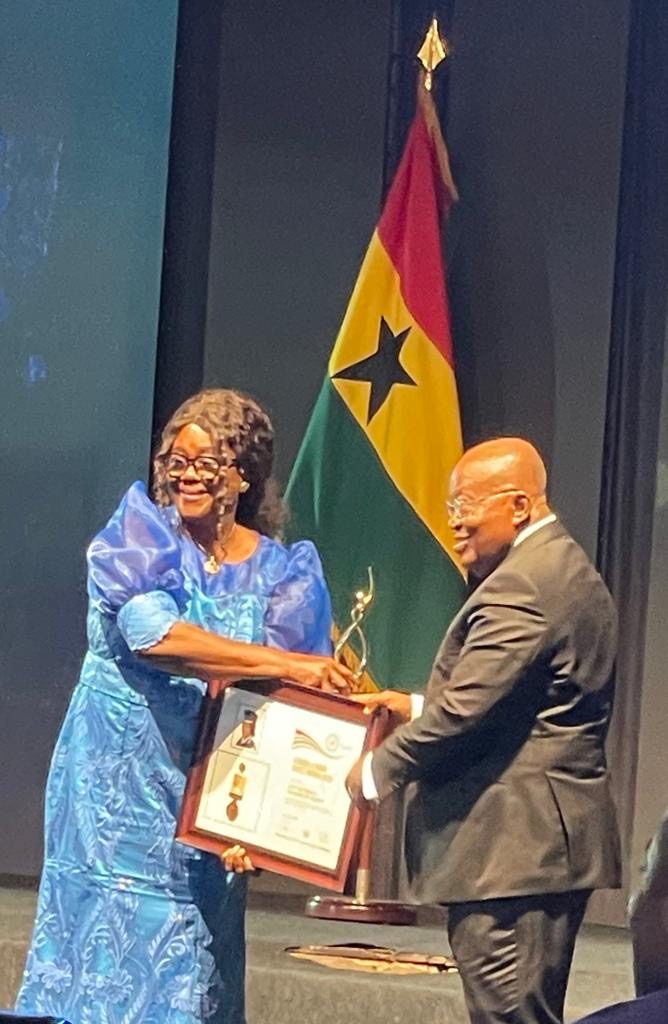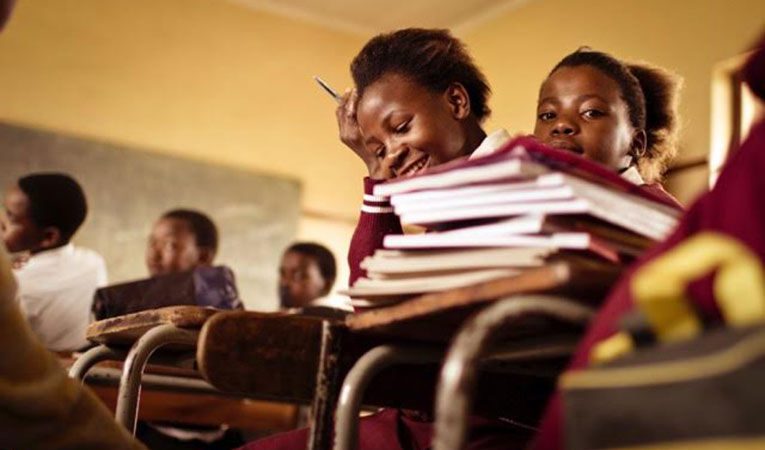
As Chairperson of the Child Labour Subcommittee on Cocoa, Fishing, Mining and Quarrying under Ghana's National Steering Committee on Child Labour, I have watched exploitative labour in these four sectors trap children in a cycle of danger and lost education — very often disguised as the child simply 'helping the family business.' That framing is precisely what allows the exploitation to continue unchallenged for years in some communities.
Why These Four Sectors, Specifically
Cocoa, fishing — especially on the Volta Lake — mining, and quarrying share the same underlying risk factors: physically hazardous work, remote or informal sites far from any real oversight, and economic pressure that pushes families toward accepting child labour as a survival strategy rather than a choice. The IJM-supported rescues of children exploited on the Volta Lake, and Operation TUY's recovery of 300 children from mining exploitation in Burkina Faso, show both how severe these situations can become, and — encouragingly — how rescuable they are once properly identified.
What the National Plan of Action Actually Commits Ghana To
The National Plan of Action for the Elimination of the Worst Forms of Child Labour, passed in 2018 — which I helped develop as a committee member — sets out a coordinated framework across government ministries, law enforcement, and civil society. In plain terms, it commits the country to: identifying and withdrawing children from hazardous labour; strengthening school enrolment and retention as the real alternative, not just a slogan; regulating and monitoring high-risk supply chains; and prosecuting the exploiters — including the traffickers who actively supply child labour into these sectors.
What Still Has to Happen
Policy on paper is only the starting line. Enforcement requires trained inspectors who can actually reach remote sites, functioning referral pathways into rehabilitation and education — precisely the gap organisations like the Giving Hope Foundation exist to fill — and sustained community engagement, because families rarely abandon child labour until they have a genuinely viable alternative in front of them, not just a warning.
Institutions and companies operating within these supply chains, particularly cocoa and fishing, carry a direct responsibility here that I do not think is always well understood at the corporate level. Compliance on paper is not the same as a supply chain that is actually free of child exploitation on the ground. This is precisely the kind of gap ASHQUAY. Consultancy works with organisations to close — aligning real operations, not just policy documents, with Ghana's national commitments.