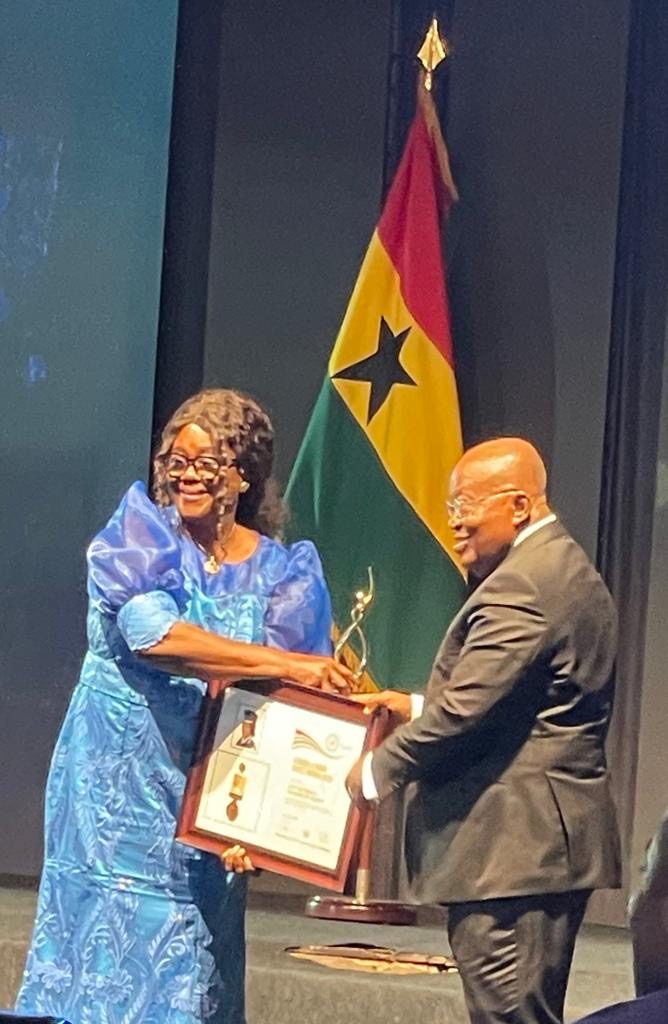
In 2021, I took on a consultancy role developing a Standard Operating Procedure on Combating Human Trafficking for the International Organization for Migration. A year earlier, while serving as a Ghana Police Service consultant for the IOM, I had already co-developed a training manual for law enforcement on human trafficking. Neither of those documents will ever make a headline. Both of them, done properly, save more lives over time than any single dramatic rescue operation.
Why a Document Matters as Much as an Operation
A Standard Operating Procedure sounds bureaucratic until you have watched what happens without one. I have seen well-meaning officers mishandle a first victim interview so badly that the case never recovers — evidence lost, trust destroyed, a survivor re-traumatised by well-intentioned but poorly trained personnel. An SOP exists so that the quality of a victim's treatment does not depend on which individual officer happens to answer the call that day. It turns hard-won institutional knowledge — the kind normally locked inside a handful of experienced officers' heads — into something every officer can be trained on, consistently, long after that experienced officer has retired or moved on.
What Goes Into Writing One Properly
- Field-tested detail, not theory. Every step in an SOP I help write has to reflect what genuinely happens on the ground — the confusion, the time pressure, the imperfect information — not an idealised version of an operation.
- Clear roles across agencies. Ambiguity about who does what is exactly where operations fall apart, as I have seen firsthand across multi-agency work with INTERPOL, IOM, and national police units.
- Victim safety built into every step, not appended as a final section — the sequencing of an SOP itself can determine whether a rescue re-traumatises a survivor or protects them.
- Realistic training pathways. A procedure nobody is actually trained to follow is not a procedure — it is a document sitting in a drawer.
What This Work Actually Requires From a Consultant
You cannot write a credible SOP from a desk alone. It requires someone who has personally sat across from a trafficking victim during an interview, who has stood in a mining site during a rescue, who understands exactly where institutional coordination tends to break down because they have watched it break down before. That is the specific value I bring into this kind of consultancy work — not academic expertise alone, but decades of field-tested judgment about what actually works when the pressure is real and the stakes are a person's safety.
This is precisely the kind of engagement ASHQUAY. Consultancy takes on: helping governments, NGOs, and multilateral organisations turn hard operational experience into documents and training programs their own people can actually rely on, long after the consultancy engagement itself has ended.