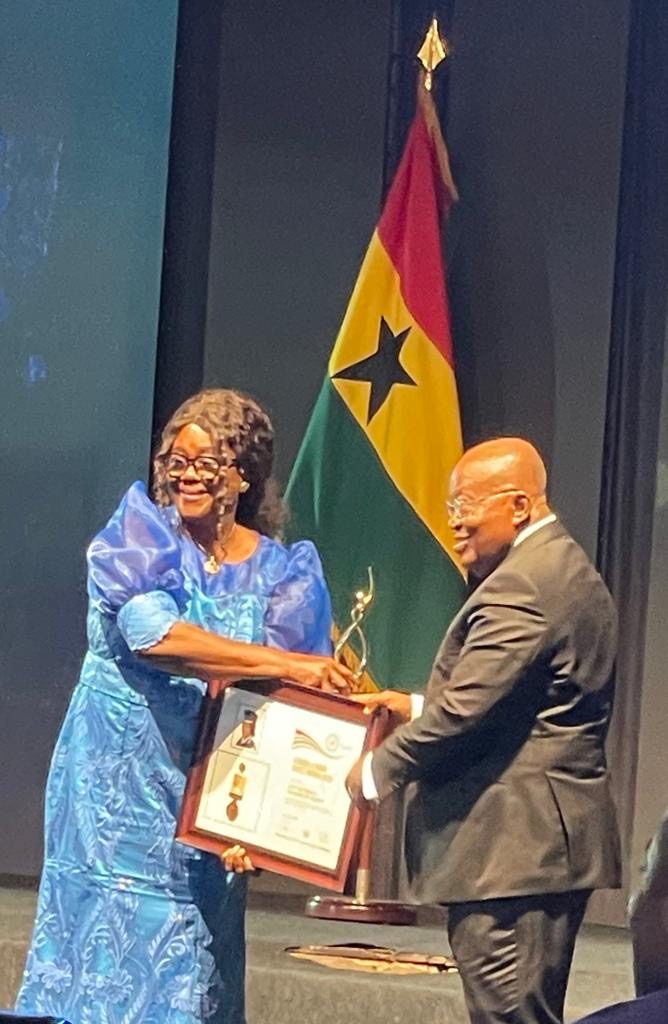
My relationship with the International Association of Women Police did not begin at the top. It began as IAWP Coordinator for Region 18, covering Africa, then grew into serving as International Chaplain of IAWP, and today I have the privilege of serving as the organisation's 2nd Vice President. Each of those roles taught me something different about what international solidarity in this profession actually requires — and it is very different from what I expected when I first got involved.
What I Assumed Before I Actually Did This Work
I assumed, early on, that international cooperation in policing meant shared protocols and formal agreements — the paperwork of collaboration. It does mean that, partly. But the deeper truth I have learned, sitting across from women police leaders from dozens of countries, is that trafficking networks, domestic violence patterns, and child exploitation schemes cross borders far more fluidly than our institutions are typically built to follow them. A trafficking route does not stop respecting jurisdiction at a national boundary, and neither can the officers trying to disrupt it.
What Region 18 Taught Me About Africa's Shared Challenges
Coordinating Region 18 meant working alongside women officers across the African continent who were, in nearly every country I encountered, fighting strikingly similar battles: too few women in senior leadership, too little institutional support for trauma-informed victim work, and trafficking routes that moved fluidly between our countries regardless of how well any single nation's police service was resourced. What became clear very quickly is that no country solves this alone. Operations I have personally been part of — rescuing Ghanaian children trafficked into Côte d'Ivoire, reuniting a Burkinabé boy trafficked into Ghana with his family, working with Nigerian authorities on cases moving in both directions across our shared border — only worked because officers on both sides were already talking to each other before the crisis began, not scrambling to build that relationship during it.
Why Global Bodies Like the IAWP Matter More Than They Get Credit For
It is easy to dismiss international associations as symbolic — conferences, titles, photographs. What I have found instead, through committees like the IAWP Future Focus Group and years of cross-border relationship-building, is that these platforms are where the actual informal networks get built — the ones that let an officer in Accra call a counterpart in Lagos or Ouagadougou directly, person to person, when a case cannot wait for a formal request to work its way through official channels. Every meaningful rescue operation I have described in my writing depended, somewhere in its chain, on exactly that kind of relationship.
My work with organisations such as the U.S. Embassy's Child Protection Task Force and the Commonwealth Parliamentary Association's project on Modern Slavery reinforced the same lesson from a different angle: the countries and institutions making the most progress against trafficking and gender-based violence are, almost without exception, the ones most willing to learn openly from each other, rather than treating their own methods as the only correct ones. That posture of humility, more than any single policy, is what real international solidarity in this field actually looks like.